
Attending a trade show can be a very effective method of promoting your company and its products. And one of the most effective ways to optimize your trade show display and increase traffic to your booth is through the use of banner stands.

Balamani
Author
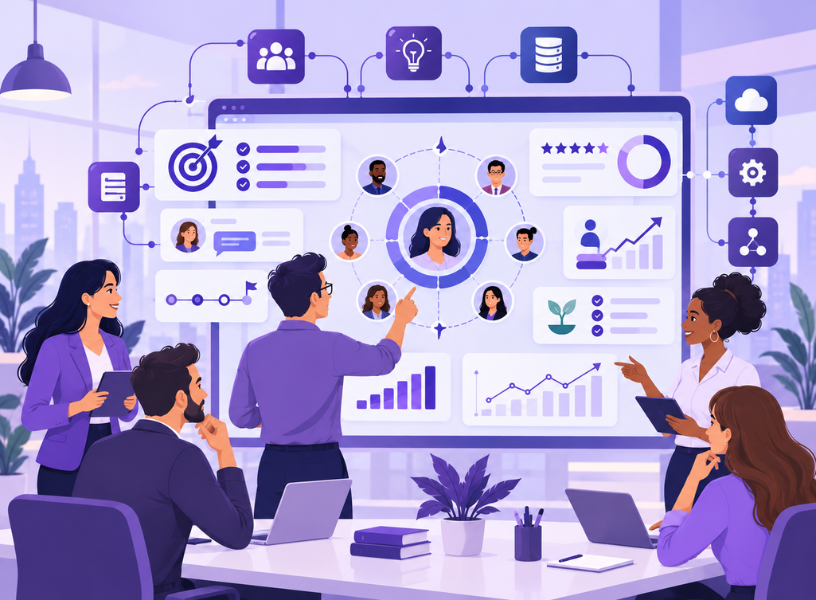
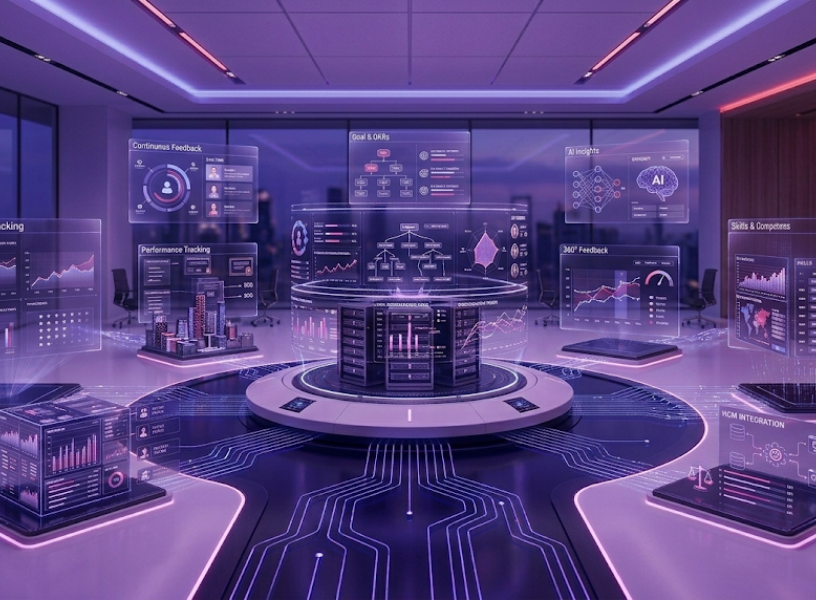
Selecting Performance Management Software has become far more complex than comparing digital appraisal forms or annual review of workflows. Today's enterprise organizations need platforms that support continuous feedback, AI-assisted coaching, skills development, workforce planning and business performance all while integrating seamlessly with the broader HCM ecosystem.
As organizations adapt to hybrid work, AI-enabled decision-making and skills-based talent strategies, performance management is evolving from an annual HR process into an ongoing business capability. Industry analysts consistently highlight continuous performance, AI-assisted reviews, analytics and governance as key priorities for enterprise buyers in 2026.
Instead of searching for the "best" platform, enterprise HR teams should evaluate whether vendors deliver the capabilities that support long-term organizational performance.
Here are the nine features worth comparing before shortlisting vendors.
Annual performance reviews alone no longer provide enough visibility into employee contribution.
Modern performance review systems should support:
Frequent conversations help managers identify challenges earlier, recognize achievements sooner and keep employees aligned throughout the year rather than waiting for formal appraisal cycles. Industry research shows that many organizations are moving away from annual reviews toward continuous performance management.
Enterprise organisations often operate across multiple business units, countries and functions.
Performance Management Software should enable HR to:
Dynamic goal management ensures employee priorities evolve alongside changing business needs rather than remaining fixed after annual planning.
Artificial intelligence is becoming an important decision-support capability rather than replacing manager judgement.
Leading platforms increasingly provide AI capabilities that help:
However, enterprises should evaluate whether AI recommendations remain transparent, explainable and subject to human review. AI governance and accountability are becoming critical evaluation criteria.
Effective employee performance tracking extends well beyond review ratings.
Look for software that captures:
A richer performance history enables managers to make more informed promotion, succession and development decisions while reducing reliance on memory during review season.
Enterprise performance depends on collaboration across teams rather than manager observations alone.
Modern performance evaluation tools should support:
Multiple perspectives reduce bias while providing employees with a more balanced understanding of their strengths and development opportunities.
Many organisations are shifting toward skills-based workforce planning.
Performance Management Software should help HR evaluate:
Connecting performance with skills enables organisations to make better decisions around internal mobility, succession planning and workforce transformation.
Enterprise HR leaders require actionable insights rather than static reports.
Look for dashboards that provide visibility into:
Advanced analytics help HR identify organisational patterns instead of focusing solely on individual performance discussions.
As AI becomes more embedded across HR, organisations are also rethinking how performance data contributes to broader business decision-making and value creation.
Consistency becomes increasingly difficult as organizationsscale.
Enterprise-grade platforms should include:
These capabilities help organisations improve fairness across departments while supporting equitable promotion and compensation decisions.
Performance should never operate in isolation.
The most effective solutions integrate with broader workforce management capabilities including:
Integrated data enables HR leaders to understand how hiring, learning, engagement and performance influence one another, creating a more connected employee lifecycle.
When comparing HR software vendors, buyers should also evaluate API capabilities, integration flexibility, data governance and scalability for future business growth.
Beyond feature lists, ask vendors:
These questions often reveal more about long-term platform suitability than feature demonstrations alone.
Choosing Performance Management Software in 2026 is no longer about digitizing annual appraisals. Enterprise organizations need platforms that enable continuous coaching, skills development, AI-assisted insights, and data-driven workforce decisions.
Rather than relying on generic product rankings, HR leaders should compare vendors based on how effectively they support ongoing performance conversations, organizational alignment, fairness and integration across the broader talent ecosystem. A structured evaluation of these nine capabilities can help organizations shortlist solutions that improve employee performance while supporting long-term business growth.
1. What features should enterprise Performance Management Software include?Key capabilities include continuous feedback, goal management, AI-assisted insights, employee performance tracking, 360-degree feedback, skills assessment, analytics, calibration tools and HCM integrations.
2. Why is continuous performance management replacing annual reviews?Continuous check-ins provide more timely feedback, improve manager coaching, align goals with changing business priorities and create better employee development outcomes than once-a-year evaluations.
3. How do performance evaluation tools improve workforce management?They connect employee performance with learning, succession planning, compensation and workforce planning, enabling organizations to make more informed talent decisions.
4. How does AI improve Performance Management Software?
AI helps managers by summarizing feedback, identifying performance trends, suggesting coaching opportunities, and highlighting potential skill gaps. However, AI should support, not replace human judgement, with transparent recommendations and appropriate governance.
5. What should HR leaders consider when comparing HR software vendors for performance management?
Beyond core features, evaluate how well the platform integrates with your HCM ecosystem, supports configurable workflows, scales across multiple business units and geographies, provides robust analytics, ensures data security, and aligns with your organisation's performance management strategy.

Many people would say that it is absolute madness to keep on doing the same thing, time after time, expecting to get a different result or for something different to happen.
Hoover Dam and the Grand Canyon: Book yourself a seat on any of the many sightseeing tours available and go and watch the architectural marvel that is Hoover Dam built over the Grand canyon which is also a grand sight to see by itself. Black Canyon is another must see as is Lake Mead which is so beautiful just because it is a body of water all surrounded by desert-like nature. Colorado River:
While looking at the Dam and Canyon is from above, to see the true beauty of the river, you have to go down. The Colorado river is excellent for river-rafting and water sports, but you do not have to take part if it is not your thing. Instead just sit back and enjoy another of nature’s marvels.


.webp)
Who can not resist going to one of the old towns like those in the Western gun slinging movies? Your destination needs to be Old Nevada. There you can delight in an old western town right in the middle of Red Rock Canyon. They host western shootouts too so come prepared, partner! I could go on and on about other attractions like the theme park in Circus Circus, the Gilcrease Nature Sanctuary, the Henderson Bird Viewing Preserve and Mt. Charleston but I think you get the picture. In Las Vegas and hate gambling? Do not despair. Just go out and have some clean un-gambling fun.
Selecting Performance Management Software has become far more complex than comparing digital appraisal forms or annual review of workflows. Today's enterprise organizations need platforms that support continuous feedback, AI-assisted coaching, skills development, workforce planning and business performance all while integrating seamlessly with the broader HCM ecosystem.
As organizations adapt to hybrid work, AI-enabled decision-making and skills-based talent strategies, performance management is evolving from an annual HR process into an ongoing business capability. Industry analysts consistently highlight continuous performance, AI-assisted reviews, analytics and governance as key priorities for enterprise buyers in 2026.
Instead of searching for the "best" platform, enterprise HR teams should evaluate whether vendors deliver the capabilities that support long-term organizational performance.
Here are the nine features worth comparing before shortlisting vendors.
Annual performance reviews alone no longer provide enough visibility into employee contribution.
Modern performance review systems should support:
Frequent conversations help managers identify challenges earlier, recognize achievements sooner and keep employees aligned throughout the year rather than waiting for formal appraisal cycles. Industry research shows that many organizations are moving away from annual reviews toward continuous performance management.
Enterprise organisations often operate across multiple business units, countries and functions.
Performance Management Software should enable HR to:
Dynamic goal management ensures employee priorities evolve alongside changing business needs rather than remaining fixed after annual planning.
Artificial intelligence is becoming an important decision-support capability rather than replacing manager judgement.
Leading platforms increasingly provide AI capabilities that help:
However, enterprises should evaluate whether AI recommendations remain transparent, explainable and subject to human review. AI governance and accountability are becoming critical evaluation criteria.
Effective employee performance tracking extends well beyond review ratings.
Look for software that captures:
A richer performance history enables managers to make more informed promotion, succession and development decisions while reducing reliance on memory during review season.
Enterprise performance depends on collaboration across teams rather than manager observations alone.
Modern performance evaluation tools should support:
Multiple perspectives reduce bias while providing employees with a more balanced understanding of their strengths and development opportunities.
Many organisations are shifting toward skills-based workforce planning.
Performance Management Software should help HR evaluate:
Connecting performance with skills enables organisations to make better decisions around internal mobility, succession planning and workforce transformation.
Enterprise HR leaders require actionable insights rather than static reports.
Look for dashboards that provide visibility into:
Advanced analytics help HR identify organisational patterns instead of focusing solely on individual performance discussions.
As AI becomes more embedded across HR, organisations are also rethinking how performance data contributes to broader business decision-making and value creation.
Consistency becomes increasingly difficult as organizationsscale.
Enterprise-grade platforms should include:
These capabilities help organisations improve fairness across departments while supporting equitable promotion and compensation decisions.
Performance should never operate in isolation.
The most effective solutions integrate with broader workforce management capabilities including:
Integrated data enables HR leaders to understand how hiring, learning, engagement and performance influence one another, creating a more connected employee lifecycle.
When comparing HR software vendors, buyers should also evaluate API capabilities, integration flexibility, data governance and scalability for future business growth.
Beyond feature lists, ask vendors:
These questions often reveal more about long-term platform suitability than feature demonstrations alone.
Choosing Performance Management Software in 2026 is no longer about digitizing annual appraisals. Enterprise organizations need platforms that enable continuous coaching, skills development, AI-assisted insights, and data-driven workforce decisions.
Rather than relying on generic product rankings, HR leaders should compare vendors based on how effectively they support ongoing performance conversations, organizational alignment, fairness and integration across the broader talent ecosystem. A structured evaluation of these nine capabilities can help organizations shortlist solutions that improve employee performance while supporting long-term business growth.
1. What features should enterprise Performance Management Software include?Key capabilities include continuous feedback, goal management, AI-assisted insights, employee performance tracking, 360-degree feedback, skills assessment, analytics, calibration tools and HCM integrations.
2. Why is continuous performance management replacing annual reviews?Continuous check-ins provide more timely feedback, improve manager coaching, align goals with changing business priorities and create better employee development outcomes than once-a-year evaluations.
3. How do performance evaluation tools improve workforce management?They connect employee performance with learning, succession planning, compensation and workforce planning, enabling organizations to make more informed talent decisions.
4. How does AI improve Performance Management Software?
AI helps managers by summarizing feedback, identifying performance trends, suggesting coaching opportunities, and highlighting potential skill gaps. However, AI should support, not replace human judgement, with transparent recommendations and appropriate governance.
5. What should HR leaders consider when comparing HR software vendors for performance management?
Beyond core features, evaluate how well the platform integrates with your HCM ecosystem, supports configurable workflows, scales across multiple business units and geographies, provides robust analytics, ensures data security, and aligns with your organisation's performance management strategy.


.webp)


.webp)

Passionately focused on people and fostering relationships for over 25 Years