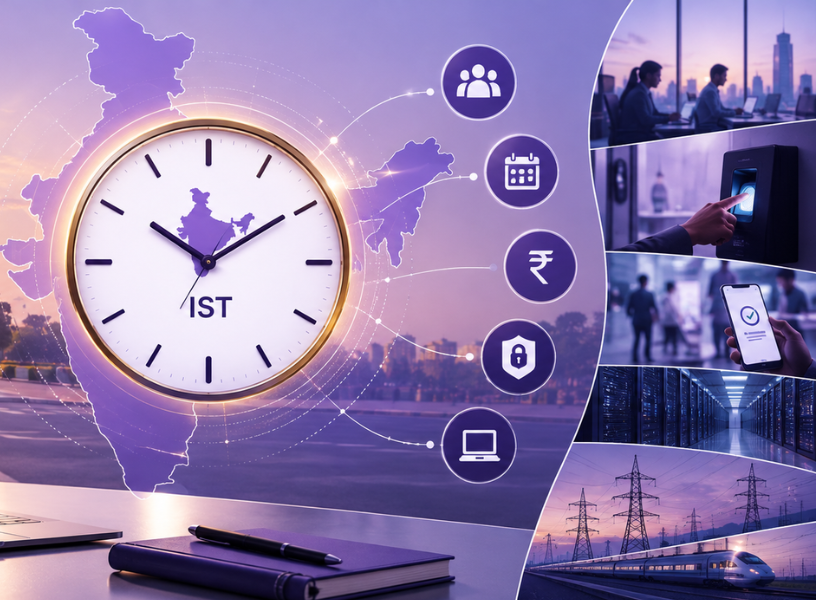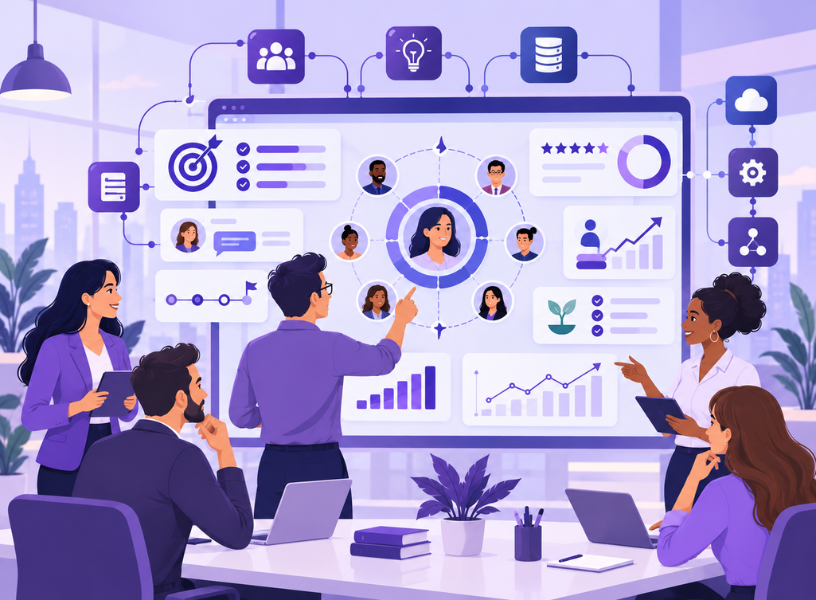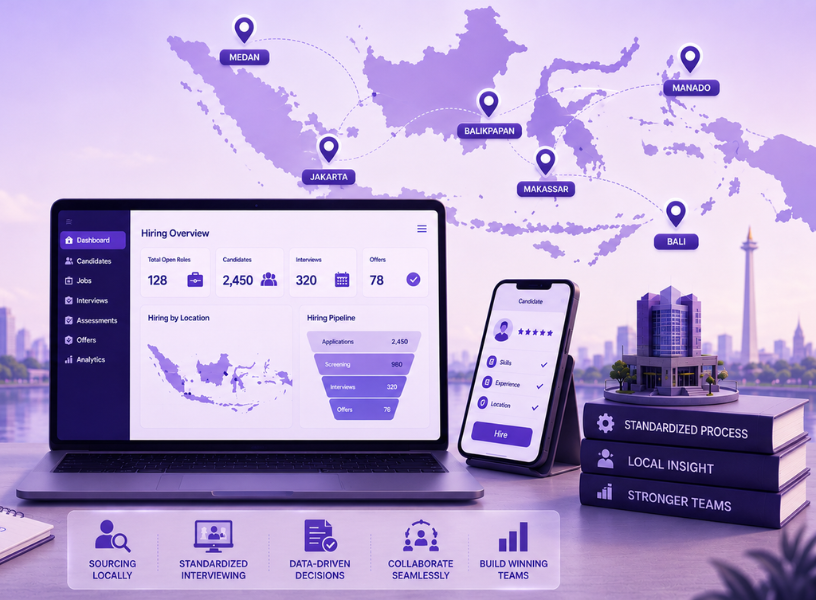

Transform workplace engagement with Adrenalin’s HR solutions. Simplify processes, enable flexibility, and foster growth using the best cloud HR software and platforms.

Attending a trade show can be a very effective method of promoting your company and its products. And one of the most effective ways to optimize your trade show display and increase traffic to your booth is through the use of banner stands.

Balamani
Author
A strong employee experience. Today’s workforce expects more than compensation and workplace perks. Employees want flexibility, growth opportunities, seamless technology, supportive leadership, and meaningful work experiences. Organizations that prioritize employee experience often see stronger retention, higher productivity, and improved employer branding. For HR leaders, employee experience has become a critical business strategy -not just an HR initiative.
Employee experience is no longer defined by isolated engagement activities or workplace benefits. It is the sum of every interaction employees have with the organization throughout their journey.
This includes Workplace culture, HR processes, Leadership communication, Digital tools and systems, Learning opportunities, Team collaboration, Flexibility and well-being support
Employees increasingly evaluate organizations based on how easy, supportive, and meaningful work feels on a daily basis.
Organizations that deliver positive employee experiences often benefit from:
• Stronger workforce retention
• Higher employee engagement
• Better productivity and innovation
• Improved employer reputation
• Faster talent acquisition
For HR leaders, employee experience directly influences both business performance and workforce stability.
A successful employee experience strategy focuses on making work simpler, more flexible, and more growth-oriented for employees. Rather than relying on superficial perks, organizations must improve the everyday realities of work.
Workplace flexibility has become one of the strongest drivers of employee satisfaction.
Employees today expect greater autonomy over:
• Work schedules
• Collaboration methods
• Hybrid and remote work options
• Productivity preferences
• Work-life balance
Flexibility is no longer limited to location. Employees want the freedom to work in ways that help them perform at their best.
Organizations can create more adaptable work environments by:
• Introducing meeting-free focus hours
• Supporting hybrid work models
• Allowing flexible schedules where possible
• Shifting toward outcome-based performance management
• Encouraging manager trust and autonomy
When employees feel trusted and empowered, engagement improves significantly.
Outdated workplace technology remains one of the biggest friction points for employees.
Complex HR systems, repetitive processes, and disconnected workflows negatively affect productivity and morale.
Modern HR leaders are increasingly focused on creating seamless digital employee experiences through:
• Mobile-friendly HR platforms
• Self-service employee portals
• Simplified leave and attendance management
• Automated workflows and approvals
• Integrated payroll and benefits systems
• Easy access to learning and collaboration tools
The goal is simple: remove unnecessary friction from everyday work experiences.
When technology becomes intuitive and accessible, employees can focus more on meaningful work instead of administrative challenges.
One of the biggest reasons employees leave organizations is the lack of career growth.
Modern employees want more than stable jobs. They want continuous learning, career mobility, and opportunities to build new skills. Organizations that invest in employee development often experience stronger engagement and retention.
How HR Leaders Can Support Employee Growth
Employee development strategies may include:
• Personalized learning programs
• Leadership development initiatives
• Cross-functional exposure
• Internal mobility opportunities
• Mentorship programs
• Skill-based career pathways
• Stretch assignments and project ownership
Career growth becomes a major component of employee experience because it helps employees see a future within the organization.
Improving employee experience requires continuous evaluation and optimization.
HR leaders should focus on measurable workforce outcomes such as:
• Employee retention rates
• Engagement survey scores
• Productivity improvements
• Internal mobility rates
• Employee satisfaction levels
• New hire onboarding effectiveness
• Workforce well-being indicators
However, measurement alone is not enough. Organizations must actively respond to employee feedback and operational insights.
• If employees report burnout, workloads and processes may need adjustment.
• If engagement scores decline, leadership communication and recognition strategies may require improvement.
• If onboarding feels inconsistent, HR workflows and manager enablement may need redesigning.
Employee experience improves when organizations consistently listen, adapt, and act.
Organizations with engaged employees often experience stronger business outcomes because engaged teams:
• Collaborate more effectively
• Deliver better customer experiences
• Adapt faster to change
• Contribute more innovation
• Stay committed longer
Employee experience also plays a major role in employer branding. Positive workplace experiences help organizations attract top talent in competitive hiring markets. For HR leaders, employee experience is becoming one of the most important long-term workforce differentiators.
Creating a workplace employees genuinely want to be part of does not happen accidentally. It requires intentional focus on flexibility, digital experience, growth, communication, and well-being. The organizations that succeed in the future of work will be the ones that continuously improve how employees experience work every day. Because ultimately, when employees feel supported, empowered, and valued, organizations perform better too.
Organizations can improve engagement by listening to employee feedback, recognizing contributions, supporting career growth, and creating inclusive workplace cultures. Consistent communication also plays a major role.
Lack of career growth, poor workplace culture, burnout, limited flexibility, and inadequate recognition are some of the most common reasons employees leave organizations.
HR leaders can measure employee experience using engagement surveys, retention rates, employee feedback, productivity metrics, onboarding success, and workforce well-being indicators.
Career growth helps employees feel motivated and invested in their future within the organization. Learning opportunities and internal mobility also improve retention and engagement.
Organizations with strong employee experiences often see better collaboration, higher productivity, stronger innovation, and improved customer experiences. Engaged employees contribute directly to business growth.

Many people would say that it is absolute madness to keep on doing the same thing, time after time, expecting to get a different result or for something different to happen.
Hoover Dam and the Grand Canyon: Book yourself a seat on any of the many sightseeing tours available and go and watch the architectural marvel that is Hoover Dam built over the Grand canyon which is also a grand sight to see by itself. Black Canyon is another must see as is Lake Mead which is so beautiful just because it is a body of water all surrounded by desert-like nature. Colorado River:
While looking at the Dam and Canyon is from above, to see the true beauty of the river, you have to go down. The Colorado river is excellent for river-rafting and water sports, but you do not have to take part if it is not your thing. Instead just sit back and enjoy another of nature’s marvels.


.webp)
Who can not resist going to one of the old towns like those in the Western gun slinging movies? Your destination needs to be Old Nevada. There you can delight in an old western town right in the middle of Red Rock Canyon. They host western shootouts too so come prepared, partner! I could go on and on about other attractions like the theme park in Circus Circus, the Gilcrease Nature Sanctuary, the Henderson Bird Viewing Preserve and Mt. Charleston but I think you get the picture. In Las Vegas and hate gambling? Do not despair. Just go out and have some clean un-gambling fun.
A strong employee experience. Today’s workforce expects more than compensation and workplace perks. Employees want flexibility, growth opportunities, seamless technology, supportive leadership, and meaningful work experiences. Organizations that prioritize employee experience often see stronger retention, higher productivity, and improved employer branding. For HR leaders, employee experience has become a critical business strategy -not just an HR initiative.
Employee experience is no longer defined by isolated engagement activities or workplace benefits. It is the sum of every interaction employees have with the organization throughout their journey.
This includes Workplace culture, HR processes, Leadership communication, Digital tools and systems, Learning opportunities, Team collaboration, Flexibility and well-being support
Employees increasingly evaluate organizations based on how easy, supportive, and meaningful work feels on a daily basis.
Organizations that deliver positive employee experiences often benefit from:
• Stronger workforce retention
• Higher employee engagement
• Better productivity and innovation
• Improved employer reputation
• Faster talent acquisition
For HR leaders, employee experience directly influences both business performance and workforce stability.
A successful employee experience strategy focuses on making work simpler, more flexible, and more growth-oriented for employees. Rather than relying on superficial perks, organizations must improve the everyday realities of work.
Workplace flexibility has become one of the strongest drivers of employee satisfaction.
Employees today expect greater autonomy over:
• Work schedules
• Collaboration methods
• Hybrid and remote work options
• Productivity preferences
• Work-life balance
Flexibility is no longer limited to location. Employees want the freedom to work in ways that help them perform at their best.
Organizations can create more adaptable work environments by:
• Introducing meeting-free focus hours
• Supporting hybrid work models
• Allowing flexible schedules where possible
• Shifting toward outcome-based performance management
• Encouraging manager trust and autonomy
When employees feel trusted and empowered, engagement improves significantly.
Outdated workplace technology remains one of the biggest friction points for employees.
Complex HR systems, repetitive processes, and disconnected workflows negatively affect productivity and morale.
Modern HR leaders are increasingly focused on creating seamless digital employee experiences through:
• Mobile-friendly HR platforms
• Self-service employee portals
• Simplified leave and attendance management
• Automated workflows and approvals
• Integrated payroll and benefits systems
• Easy access to learning and collaboration tools
The goal is simple: remove unnecessary friction from everyday work experiences.
When technology becomes intuitive and accessible, employees can focus more on meaningful work instead of administrative challenges.
One of the biggest reasons employees leave organizations is the lack of career growth.
Modern employees want more than stable jobs. They want continuous learning, career mobility, and opportunities to build new skills. Organizations that invest in employee development often experience stronger engagement and retention.
How HR Leaders Can Support Employee Growth
Employee development strategies may include:
• Personalized learning programs
• Leadership development initiatives
• Cross-functional exposure
• Internal mobility opportunities
• Mentorship programs
• Skill-based career pathways
• Stretch assignments and project ownership
Career growth becomes a major component of employee experience because it helps employees see a future within the organization.
Improving employee experience requires continuous evaluation and optimization.
HR leaders should focus on measurable workforce outcomes such as:
• Employee retention rates
• Engagement survey scores
• Productivity improvements
• Internal mobility rates
• Employee satisfaction levels
• New hire onboarding effectiveness
• Workforce well-being indicators
However, measurement alone is not enough. Organizations must actively respond to employee feedback and operational insights.
• If employees report burnout, workloads and processes may need adjustment.
• If engagement scores decline, leadership communication and recognition strategies may require improvement.
• If onboarding feels inconsistent, HR workflows and manager enablement may need redesigning.
Employee experience improves when organizations consistently listen, adapt, and act.
Organizations with engaged employees often experience stronger business outcomes because engaged teams:
• Collaborate more effectively
• Deliver better customer experiences
• Adapt faster to change
• Contribute more innovation
• Stay committed longer
Employee experience also plays a major role in employer branding. Positive workplace experiences help organizations attract top talent in competitive hiring markets. For HR leaders, employee experience is becoming one of the most important long-term workforce differentiators.
Creating a workplace employees genuinely want to be part of does not happen accidentally. It requires intentional focus on flexibility, digital experience, growth, communication, and well-being. The organizations that succeed in the future of work will be the ones that continuously improve how employees experience work every day. Because ultimately, when employees feel supported, empowered, and valued, organizations perform better too.
Organizations can improve engagement by listening to employee feedback, recognizing contributions, supporting career growth, and creating inclusive workplace cultures. Consistent communication also plays a major role.
Lack of career growth, poor workplace culture, burnout, limited flexibility, and inadequate recognition are some of the most common reasons employees leave organizations.
HR leaders can measure employee experience using engagement surveys, retention rates, employee feedback, productivity metrics, onboarding success, and workforce well-being indicators.
Career growth helps employees feel motivated and invested in their future within the organization. Learning opportunities and internal mobility also improve retention and engagement.
Organizations with strong employee experiences often see better collaboration, higher productivity, stronger innovation, and improved customer experiences. Engaged employees contribute directly to business growth.

%20%20-%20hero.png)


.webp)


.webp)

Passionately focused on people and fostering relationships for over 25 Years