

Attending a trade show can be a very effective method of promoting your company and its products. And one of the most effective ways to optimize your trade show display and increase traffic to your booth is through the use of banner stands.

Balamani
Author
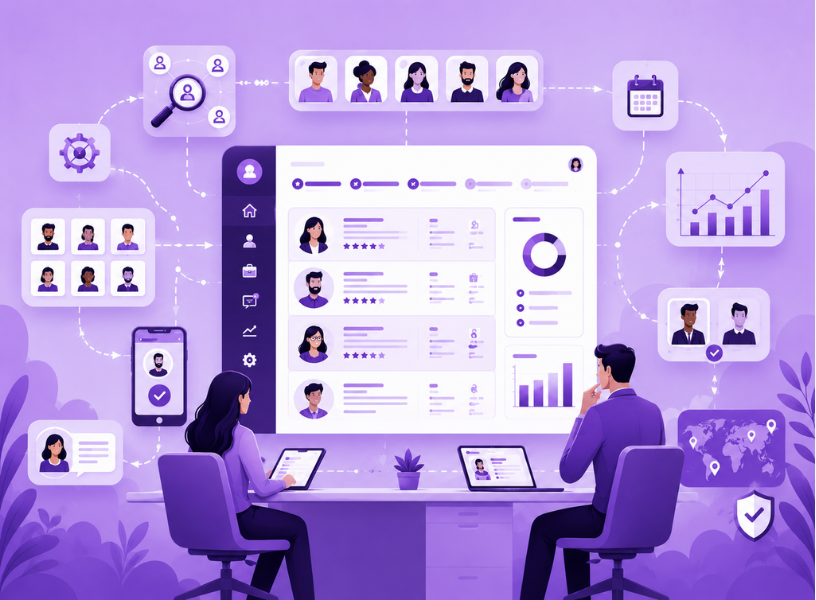
HR technology has become one of the most important levers for business performance. The systems organizations use to hire, develop, engage, and support employees now influence everything from growth and productivity to culture and AI adoption. As a result, decisions about HR technology increasingly belong on the leadership agenda.
Previously, HR technology was largely associated with payroll, attendance tracking, and administrative workflows. It played an important role, but it rarely featured in strategic business discussions.
Today, the picture looks very different.
Organizations rely on HR technology to understand workforce capabilities, identify skill gaps, improve employee experiences, support managers, and make better talent decisions. These outcomes have a direct impact on business goals, and leadership teams can no longer afford to view HR technology as something that sits solely within HR or IT.
Every growth strategy ultimately depends on people. Whether an organization is expanding into new markets, accelerating product development, or improving customer experience, success depends on having the right talent available at the right time.
Modern HR platforms give leaders visibility into questions that shape business outcomes:
These insights help leaders make informed decisions about workforce planning, investment, and organizational readiness. These decisions have business consequences.
The growing use of artificial intelligence has added another layer of importance to HR technology strategy.
AI is being utilized across recruiting, workforce analytics, learning recommendations, internal mobility, and employee self-service in some capacity. According to research, one of the top priorities for HR leaders in 2026 is creating clear strategies for AI adoption within HR.
With that opportunity comes responsibility.
HR Leaders must address questions around bias, privacy, transparency, employee trust, and regulatory compliance. When technology plays a role in hiring, promotion, development, or performance-related decisions, executive oversight becomes essential.
The question of concern is how organizations use AI responsibly and how they maintain trust while doing so.
Employees experience an organization through the tools they use every day. A complicated application process, slow onboarding, disconnected systems, or difficult internal workflows can create frustration long before issues appear in engagement surveys. Over time, those experiences affect productivity, retention, and morale.
Organizations that invest in intuitive, connected HR technology often see benefits across multiple areas, including:
In competitive talent markets, these advantages matter. The quality of workplace technology increasingly shapes how employees feel about their organization.
Organizations are investing heavily in human capital management platforms or specialized tools for recruiting, learning, analytics, AI assistance, and workflow automation. Those investments often represent significant financial commitments and long-term operational change.
Leadership teams play an important role in ensuring that technology decisions remain connected to business objectives. Key questions include:
Without clear direction, companies can end up managing multiple disconnected systems that increase complexity without delivering meaningful results.
HR technology touches nearly every part of the organization. HR focuses on talent outcomes. IT focuses on security, infrastructure, and integrations. Finance needs workforce visibility. Legal teams help manage compliance and risk. Business leaders want productivity and performance improvements.
Because the impact is so broad, effective HR technology strategies are often shaped through collaboration between the CEO, CHRO, CIO, CFO, and other business leaders.
When leadership teams align around shared goals, organizations are far more likely to achieve strong adoption and measurable value.
Leaders do not need to be involved in every technology selection or implementation decision. Their role is to provide direction, establish priorities, and ensure accountability.
That includes:
The relationship between people, data, and technology remains the three pillars of an organisation. HR technology now plays a central role in how organizations attract talent, develop capabilities, support employees, and prepare for change. The leaders who recognize its strategic importance are better positioned to build resilient workforces and create lasting competitive advantage. HR technology strategy has earned a permanent place in leadership discussions, and its influence will only continue to grow.
HR technology strategy is the process of aligning HR systems, platforms, and digital tools with broader business objectives. It ensures that technology investments support workforce planning, employee experience, productivity, compliance, and long-term organizational growth.
Modern HR platforms provide workforce insights that help organizations identify skill gaps, improve hiring efficiency, strengthen succession planning, support reskilling initiatives, and make informed talent decisions that drive growth.
Without a defined strategy, organizations may end up with disconnected systems, poor user adoption, duplicate data, higher operational complexity, and limited return on investment from technology initiatives.
Organizations should evaluate business objectives, integration requirements, employee adoption, security and compliance considerations, scalability, and the measurable outcomes they expect to achieve from the investment.
Success can be measured through metrics such as time-to-hire, employee engagement, retention rates, workforce productivity, manager effectiveness, learning outcomes, process efficiency, and overall business impact.

Many people would say that it is absolute madness to keep on doing the same thing, time after time, expecting to get a different result or for something different to happen.
Hoover Dam and the Grand Canyon: Book yourself a seat on any of the many sightseeing tours available and go and watch the architectural marvel that is Hoover Dam built over the Grand canyon which is also a grand sight to see by itself. Black Canyon is another must see as is Lake Mead which is so beautiful just because it is a body of water all surrounded by desert-like nature. Colorado River:
While looking at the Dam and Canyon is from above, to see the true beauty of the river, you have to go down. The Colorado river is excellent for river-rafting and water sports, but you do not have to take part if it is not your thing. Instead just sit back and enjoy another of nature’s marvels.


.webp)
Who can not resist going to one of the old towns like those in the Western gun slinging movies? Your destination needs to be Old Nevada. There you can delight in an old western town right in the middle of Red Rock Canyon. They host western shootouts too so come prepared, partner! I could go on and on about other attractions like the theme park in Circus Circus, the Gilcrease Nature Sanctuary, the Henderson Bird Viewing Preserve and Mt. Charleston but I think you get the picture. In Las Vegas and hate gambling? Do not despair. Just go out and have some clean un-gambling fun.
HR technology has become one of the most important levers for business performance. The systems organizations use to hire, develop, engage, and support employees now influence everything from growth and productivity to culture and AI adoption. As a result, decisions about HR technology increasingly belong on the leadership agenda.
Previously, HR technology was largely associated with payroll, attendance tracking, and administrative workflows. It played an important role, but it rarely featured in strategic business discussions.
Today, the picture looks very different.
Organizations rely on HR technology to understand workforce capabilities, identify skill gaps, improve employee experiences, support managers, and make better talent decisions. These outcomes have a direct impact on business goals, and leadership teams can no longer afford to view HR technology as something that sits solely within HR or IT.
Every growth strategy ultimately depends on people. Whether an organization is expanding into new markets, accelerating product development, or improving customer experience, success depends on having the right talent available at the right time.
Modern HR platforms give leaders visibility into questions that shape business outcomes:
These insights help leaders make informed decisions about workforce planning, investment, and organizational readiness. These decisions have business consequences.
The growing use of artificial intelligence has added another layer of importance to HR technology strategy.
AI is being utilized across recruiting, workforce analytics, learning recommendations, internal mobility, and employee self-service in some capacity. According to research, one of the top priorities for HR leaders in 2026 is creating clear strategies for AI adoption within HR.
With that opportunity comes responsibility.
HR Leaders must address questions around bias, privacy, transparency, employee trust, and regulatory compliance. When technology plays a role in hiring, promotion, development, or performance-related decisions, executive oversight becomes essential.
The question of concern is how organizations use AI responsibly and how they maintain trust while doing so.
Employees experience an organization through the tools they use every day. A complicated application process, slow onboarding, disconnected systems, or difficult internal workflows can create frustration long before issues appear in engagement surveys. Over time, those experiences affect productivity, retention, and morale.
Organizations that invest in intuitive, connected HR technology often see benefits across multiple areas, including:
In competitive talent markets, these advantages matter. The quality of workplace technology increasingly shapes how employees feel about their organization.
Organizations are investing heavily in human capital management platforms or specialized tools for recruiting, learning, analytics, AI assistance, and workflow automation. Those investments often represent significant financial commitments and long-term operational change.
Leadership teams play an important role in ensuring that technology decisions remain connected to business objectives. Key questions include:
Without clear direction, companies can end up managing multiple disconnected systems that increase complexity without delivering meaningful results.
HR technology touches nearly every part of the organization. HR focuses on talent outcomes. IT focuses on security, infrastructure, and integrations. Finance needs workforce visibility. Legal teams help manage compliance and risk. Business leaders want productivity and performance improvements.
Because the impact is so broad, effective HR technology strategies are often shaped through collaboration between the CEO, CHRO, CIO, CFO, and other business leaders.
When leadership teams align around shared goals, organizations are far more likely to achieve strong adoption and measurable value.
Leaders do not need to be involved in every technology selection or implementation decision. Their role is to provide direction, establish priorities, and ensure accountability.
That includes:
The relationship between people, data, and technology remains the three pillars of an organisation. HR technology now plays a central role in how organizations attract talent, develop capabilities, support employees, and prepare for change. The leaders who recognize its strategic importance are better positioned to build resilient workforces and create lasting competitive advantage. HR technology strategy has earned a permanent place in leadership discussions, and its influence will only continue to grow.
HR technology strategy is the process of aligning HR systems, platforms, and digital tools with broader business objectives. It ensures that technology investments support workforce planning, employee experience, productivity, compliance, and long-term organizational growth.
Modern HR platforms provide workforce insights that help organizations identify skill gaps, improve hiring efficiency, strengthen succession planning, support reskilling initiatives, and make informed talent decisions that drive growth.
Without a defined strategy, organizations may end up with disconnected systems, poor user adoption, duplicate data, higher operational complexity, and limited return on investment from technology initiatives.
Organizations should evaluate business objectives, integration requirements, employee adoption, security and compliance considerations, scalability, and the measurable outcomes they expect to achieve from the investment.
Success can be measured through metrics such as time-to-hire, employee engagement, retention rates, workforce productivity, manager effectiveness, learning outcomes, process efficiency, and overall business impact.


.webp)


.webp)

Passionately focused on people and fostering relationships for over 25 Years